

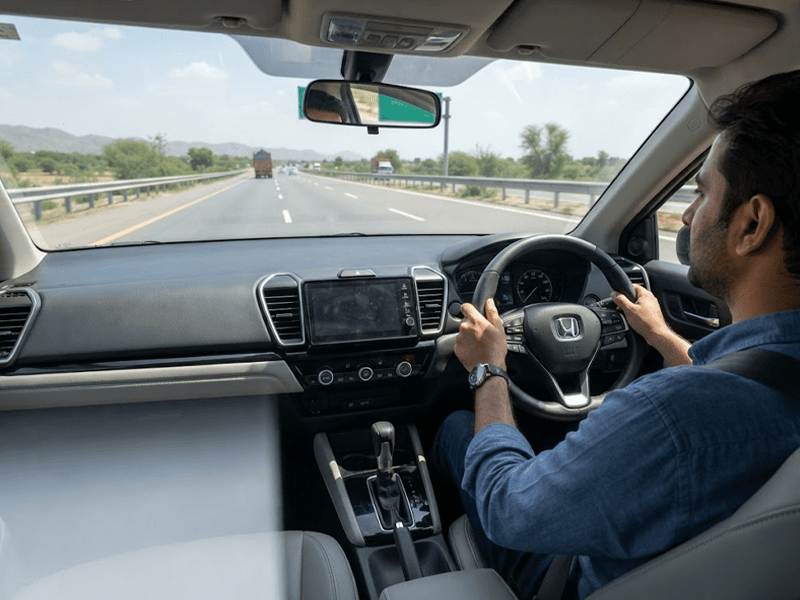
Long car rides are NOT boring. However, they can also be quite fatiguing. It isn't all that simple to drive the car at a rapid pace for several hours at a time. Your foot feels tired in your leg. After a prolonged time behind the wheel, your attention begins to wander. This is why most cars today equip cruise control. Car Cruise Control is a feature that a lot of new drivers are asking themselves prior to getting a vehicle. Another Top 10 car features that people want to learn more about is What is Car Cruise Control as many people desire to enjoy easier and safer driving on the highways. Car Cruise Control is not an easy concept to comprehend. It is a straightforward technology that enables your vehicle to maintain constant speed without using the gas pedal constantly.
Car Cruise Control: What Is It?
A lot of individuals hear the word, but aren't certain exactly what it is. The concept is extremely straightforward. Cruise control is a system employed to maintain a car at a constant speed once you set it. After operating the system, the foot can be released from the accelerator pedal and the vehicle will continue to accelerate at the selected speed.
This feature is primarily employed on highways and other lengthy, low traffic volume roads. It takes some of the strain off the driver as they don't have to maintain the same speed second-by-second. It can also minimize leg fatigue when traveling for extended periods of time. The driver does not have to tap the accelerator several times – this happens automatically in the car. Owners of today's cars from numerous manufacturers have cruise control as a standard component. Some models even have high-tech upgrades such as additional safety features.
Why Cruise Control?
It can become uncomfortable to drive for a long duration of time. You continue to press on the accelerator for many hours. The leg muscles might become sore. Your driving turns less fluid when you need to pedal the brake or accelerate when you press the clutch.
To address this issue, cruise control was invented. It helps maintain a constant speed. It lessens fatigue of the driver. This also makes long distance driving more comfortable.
This is not only because of fuel savings either. Even if you are going back and forth at the same speed, the economy of the car is lower than if you traveled smoothly. Cruise control can help maintain a constant velocity, possibly improving fuel efficiency on lengthy journeys.
How Does this Work?
Many cars operators believes portal is an exceedingly tough system. It really is quite easy! The system is operated by a small computer mounted in the car. Works compatible with the throttle and a number of sensors.
If you press a speed, the computer lets the throttle know to maintain the car at the same speed. If the road is slightly on the rise the system takes an ounce of that as well. If the road slopes downward, it will decrease the power!
Everything happens smoothly. Driver's not required to press the accelerator constantly. When the driver chooses something, this means the car will go at that speed, or until the driver turns the system off, or pushes the brake.
When to Use It:
Cruise control doesn't work on every road... It is more effective in low traffic areas, and when speeds don't vary by much. Highways are the perfect place. Long motorways are also good. Very few stops on open roads are best as you won't need to constantly reduce speed every few seconds.
Cruise control assists when traffic is light, but it's not as beneficial when traffic is heavy. The driver will have to repeatedly apply the brakes and accelerate. In that case, it's best to take a normal drive. Do not set cruise control and indicators to constant idle. Your hands should remain on the steering wheel and your eyes remain on the road.
So, How to Use Cruise Control?
Cruise control is a very easy method to use. First, increase speed until desired speed is reached. Now press the button for Cruise Control. Since then, press the set button. The system will now be able to retain your speed likely.
Your foot can be eased off the gas response gradually. The car will still be moving at the same speed. If will need to slow down, simply press the brake pedal. This will disable cruise control on most cars. Also, there is a "cancel" button in some cars.
If the road is free of vehicles again, many cars will let you press resume. The car will be restored to the speed you set initially. Always read your car owner's manual as the buttons might be a little different in each car.
The Adaptive Cruise Control System: What Does it Do?
Technology is continually enhancing itself on a year-by-year cycle. To facilitate this, it has become basic to modern cars to include adaptive cruise control (ACC) in place of standard cruise control.
Adaptive cruise control performs the same functions as a regular cruise control system. But it also monitors traffic up ahead, too. Sensors and cameras determine the gap between you and the other driver's car. If the other car reduces the speed, your car will automatically reduce their speed as well. Once the road freezes, the car comes to a stall again before picking back up to the set speed once more.Once the road is cleared, the car accelerates back to the set speed.
- This ease in driving on highways with varying traffic is particularly great.
- The driver must never become complacent and take his foot off the brake.
- The Cruise Control and Speed Limiter are NOT the SAME!
A lot of people believe that these two features are one and the same thing. They are not the same! When cruise control is used, it maintains the speed of the vehicle, without the driver pressing the accelerator.
Speed limiter will not allow speed of exceeding selected speed. The driver must press the accelerator pedal as well. The car just won't speed up more than the set speed. While these features assist the driver, they are achieved differently.
At What Times Shouldn't You Use Cruise Control?
A cruise control is beneficial. However, it should not be used on a daily basis. Do not use during torrential rain. Road is icy when wet, which lowers the traction of the tyres. The driver might have to have rapid control of the accelerator and brakes.
Avoid using cruise control during a storm or snow shower. A complete concentration and rapid response are necessary in these weather conditions.
However, it is not recommended on highly-trafficked roads either. Most cars that lose a vehicle when using cruise control do so because of excessive braking. Not all roads are suitable, either with a lot of sharp turns in the road or very steep inclines. In such situations the driver must have total control. Always pay attention to the safety factor.
Is Cruise Control the answer to conserving gas?
In most cases, yes. The Cruise control keeps the car going at a constant speed. Riding the brakes and accelerating constantly are not the most economical methods of driving a vehicle.
Fuel savings are typically more prominent when driving on stretches of high-speed highway.
If you are in an urban area, the difference is far less because you need to adjust your speed all the time when you are behind cars, at the traffic lights and in the middle of a traffic jam. Although it is convenient for the fuel economy, using cruise control should not be the only consideration.
Is Cruise Control Safe?
If properly used, cruise control is safe. The most common error that some drivers make is to become complacent. The cruise control won't drive the car for you. Only regulates the speed.
The driver must still operate the vehicle, brake and monitor traffic. Never use part of your body to hold the steering wheel. Stay focused. Be prepared to respond any time. Cruise control, when used properly, does make driving more comfortable, and without the decrease in safety.
The Good and Bad stuff about Cruise Control.
There are numerous benefits of cruise control. It helps ease the fatigue that can be felt by the drivers during prolonged trips. Aids in maintaining steady speed. May help to achieve improved fuel economy. It also reduces the likelihood of over speeding.
This has some drawbacks, as well. It is not meant to be used for high traffic areas. Should not be used during storms. However, some drivers may become drowsy if they have too much confidence in it. It is not a substitute for attentive driving. Prior knowledge of “good and “bad will make this feature more safe for drivers to use.
Final Thoughts
Cruise control is one of the most helpful safety features of today's vehicles. Helps to keep the car cruising at a constant speed when heading out on the highway with less direct pressure on the accelerator. It also aids in preventing driver fatigue, and can help to cut fuel consumption when used in open road conditions.
But cruise control should only be used under specific circumstances. Highways with light traffic are ideal. Heavy rain, snow, and packed roads and urban sound are not. Always be vigilant and ready to assume control at any time. If the cruise control is used properly, it will make all long trips easier, smoother and more enjoyable.